English
  العربية
  Español
  Deutsch
  Français
  Português
  Русский
  日本語
日本語  Italiano
  Nederlands
  Svenska
  Suomi
Suomi  ไทย
ไทย  Dansk
Dansk  Ελληνικά
  Bahasa Melayu
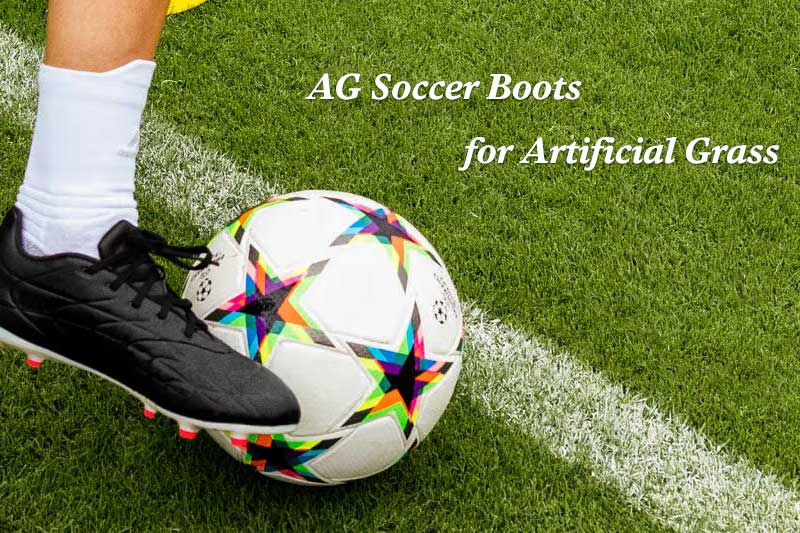
As artificial turf soccer fields continue to expand across schools, communities, training centers, and professional facilities (5–6% compound annual growth rate), one critical factor is often overlooked: the compatibility between the soccer turf system and the soccer shoes worn on it. In fact, choosing the right football boots not only extends the lifespan of your artificial football pitch but also protects athletes from unnecessary injuries.
Many players assume that any soccer cleat can be used on artificial grass. In reality, footwear that is unsuitable for artificial turf can negatively affect safety, performance, and even the lifespan of the turf surface itself. Sports medicine literature also suggests that appropriate soccer shoes that match the football turf system can improve biomechanical factors such as traction and rotational load, which are associated with lower risks of certain non-contact injuries.
At MightyGrass, as a FIFA-approved artificial turf manufacturer, artificial grass is not a single product but a system—defined by pile height, density, infill design, shock absorption, and surface friction. Soccer shoes must work with this system, not against it.
In this guide, you’ll learn how football artificial turf surfaces differ, which soccer shoe types actually work best on turf, and how proper footwear choices improve both player safety and field durability.
Why Artificial Turf Requires Different Soccer Shoes
Artificial football turf is not simply “fake grass.” It is an engineered sports surface with distinct mechanical and performance characteristics that demand specific footwear designs.
Friction and Rotational Resistance
Artificial turf creates higher surface friction than natural grass. This means:
- Studs grip more aggressively
- Release during quick turns is slower
- Rotational torque on joints is higher
Shoes not designed for turf may “lock in” during pivots, which is why improper footwear is often associated with ankle sprains and knee stress on artificial surfaces.
Limited Stud Penetration Depth
On natural grass, studs sink into soil to provide traction and controlled release. On artificial turf, studs sit closer to the surface and rely more on stud distribution than stud length.
This is why turf-specific shoes typically use:
- Shorter studs
- More contact points
- Even pressure distribution
These features help you maintain traction without excessive grip or pressure concentration. If your shoes are designed for deep penetration (such as FG boots), force is not absorbed as intended. And impact energy travels back into your ankles, knees, and hips, increasing fatigue and injury risk over time.
Compared to natural grass, artificial turf systems are generally firmer and less forgiving, especially on older installations or compacted bases. While modern turf includes shock pads or elastic layers, stud penetration is still more limited than in soil-based grass fields.
Surface Consistency
Artificial turf maintains a more consistent playing surface than natural grass. However, over time or due to inadequate maintenance, artificial turf systems often become hard and lack cushioning. When football turf is installed directly on a compacted base without a shock-absorbing underlay, football boots specifically designed for artificial turf can provide greater comfort and stable traction.
Turf Protection and Long-Term Field Performance
The footwear matters just as much as player movement. Aggressive (Such as 45° diagonal cuts and 135° turns) or inappropriate stud patterns can:
- Accelerate fiber splitting
- Stress turf backing systems
- Increase seam damage in high-traffic zones
Choosing the right soccer shoes doesn’t just protect you — it helps preserve field performance, appearance, and maintenance cycles.
Common Types of Artificial Turf Fields (And What Soccer Shoes Work Best on Each)
At MightyGrass, We believe not all artificial turf fields are built the same. From fiber structure and pile height to infill systems and base layers, each field type interacts differently with footwear. Understanding the field type helps you choose shoes that deliver safe traction, better control, and less stress on both your body and the turf — not just comfort.
5-a-Side / Futsal Artificial Turf Fields
Best shoes: TF (Turf) or AG with short studs or IN (indoor)
5-a-side and futsal turf fields are built for quick movements, tight turns, and constant player contact. These surfaces typically use short, dense turf with very limited stud penetration.
On this type of turf:
- Short pile height (around 30 mm)
- High fiber density for durability
- Non-infill or lightly filled with silica sand structures
- Long or aggressive studs don’t improve traction
- Excessive grip can actually slow down release
- Stability comes from surface contact, not penetration
TF shoes with flat rubber nubs perform best, while AG shoes with short, rounded studs can also work. Sharp or elongated studs tend to increase fiber abrasion, especially in goal mouths and central play zones.
Tips: Look for “Futsal” or “IC” (Indoor Court) on the label.
7-a-Side Soccer Fields
Best shoes: AG or TF (depending on pile height)
7-a-side artificial turf fields are among the most common worldwide and are designed to balance playability, safety, and durability.
These pitches usually fall into a middle range (pile height around 40–50 mm) — not as short as futsal turf, but not as deep as full-size stadium systems. The key here is controlled traction with reliable release.
- AG shoes work well on newer, well-maintained systems
- TF shoes are often better on compacted or heavily used fields
- FG shoes are a common cause of premature wear and uneven surface stress
Choosing shoes that spread pressure evenly helps reduce localized fiber damage and extends the usable life of the field.
11-a-Side Full-Size Artificial Turf Fields
Best shoes: AG (Artificial Ground Cleats) only
Full-size artificial turf fields are engineered for competitive play and often meet national or FIFA-related standards. These systems use longer fibers (pile heights 40-60mm, mostly 50mm), full rubber infill, and elastic shock pads to simulate natural grass performance.
However, higher traction does not mean more aggressive studs.
- Better surface longevity with AG stud patterns
- Lower joint stress when rotational release is controlled
- Faster turf degradation when FG boots are used regularly
On these fields, AG shoes are designed to work with the turf system, providing traction without excessive torque or surface damage.
Multi-Purpose Artificial Turf Fields (Soccer + Other Sports)
Best shoes: AG or TF or MG with even outsole distribution
Multi-purpose turf fields must withstand soccer, rugby, PE classes, and community use. Durability matters more than sport-specific grip.
For these surfaces:
- Even pressure distribution is critical
- Aggressive studs increase fiber stress and maintenance needs
- Versatile outsoles protect both the player and the surface
Football shoes with evenly distributed studs or rubber nubs help maintain consistent performance across multiple sports while reducing long-term wear.

FG vs AG vs TF vs MG vs IN vs SG — Soccer Shoe Types Explained
Soccer shoe labels often create confusion. For artificial turf fields, what matters most is how the outsole interacts with artificial grass. Choosing the right type of soccer shoe is critical for performance, safety, and turf preservation. Here’s a breakdown:
FG (Firm Ground) — Generally Not Recommended for Turf
FG shoes are designed for natural grass, where studs penetrate soil and release naturally. On artificial turf:
- Studs sit too high on the surface
- Rotational release is reduced
- Pressure concentrates on fewer contact points
From years of field observation, FG shoes are frequently linked to higher joint stress and accelerated turf fiber damage. They are not ideal for most artificial turf systems.
AG (Artificial Ground) — Designed for Modern Turf Systems
AG shoes are specifically engineered for artificial turf and are typically the most balanced option.
Key features include:
- Shorter, hollow or rounded studs
- Higher stud count
- Even pressure distribution
From both player safety and turf durability perspectives, AG shoes work with the surface rather than against it, making them suitable for most outdoor artificial turf fields.
TF (Turf) — Ideal for Short-Pile and Small-Sided Fields
TF shoes use small rubber nubs to maximize surface contact. They perform best on:
- 5-a-side turf
- Futsal-style pitches
- Compact or worn turf systems
TF outsoles are among the least aggressive options, helping preserve fiber integrity while delivering stable traction for quick movements.
MG (Multi-Ground) — Conditional Use on Turf
MG shoes are designed to transition between natural grass and artificial surfaces. While they may function acceptably on some turf systems, their performance depends heavily on stud shape and spacing.
Only suitable for certain modern artificial turf systems, not suitable for high-usage or short-pile turf fields, but performance varies depending on the brand and model.
IN (Indoor) — Not for Artificial Turf
IN shoes are built for hard indoor (For use on hardwood or PVC floors surfaces) , not recommended for use on artificial turf fields. Their flat outsoles lack the traction and cushioning needed for artificial grass and may increase slip risk.
They should be limited to:
- Indoor courts
- Smooth, non-turf surfaces
Soft Ground (SG) Cleats – Suitable for Muddy Natural Grass
Not suitable for dry turf, hard ground, or artificial turf. SG boots are suitable for waterlogged conditions such as heavy rain or winter leagues. They are primarily aimed at adult players (professional players or serious amateur players) who frequently play on slippery and muddy fields. Soft ground studs are specially designed, and youth leagues often prohibit the use of metal studs for safety reasons. If you rarely encounter deep mud, you don’t need to buy soft ground studs.

Safety & Injury Risk — What Studies and Associations Suggest
Artificial turf has been widely adopted across all levels of soccer, but safety concerns remain a frequent topic among players, coaches, and facility managers. While modern turf systems have improved significantly, footwear choice continues to play a major role in injury risk.
From both industry observations and guidance shared by football associations, the consensus is clear: injuries are more closely linked to traction mismatch than to the turf surface itself.
Rotational Torque and Joint Stress
One of the most discussed injury factors on artificial turf is excessive rotational resistance. When studs grip the surface too aggressively and fail to release during pivots or sudden direction changes, rotational force transfers directly to your:
- Ankles
- Knees
- Lower legs
Associations and sports science groups have repeatedly highlighted that footwear designed for natural grass may increase rotational torque when used on artificial turf, particularly during cutting and turning movements.
Stud Pressure Distribution and Impact Load
Artificial turf limits stud penetration compared to soil-based fields. If your shoes concentrate pressure on a small number of studs, impact forces are less evenly absorbed.
From a surface engineering standpoint, this can result in:
- Higher peak pressure underfoot
- Faster muscle fatigue
- Increased stress during repeated sprints and stops
Footwear designed for turf typically spreads load across more contact points, reducing localized stress and improving overall comfort.
Surface Consistency and Injury Prevention
One advantage often noted by associations is that artificial turf offers consistent footing across the entire field, regardless of weather. However, this consistency only benefits you when your shoes are compatible with the surface.
Shoes that are too aggressive may negate this advantage by:
- Increasing slip-stick behavior
- Causing unpredictable release patterns
- Raising the likelihood of non-contact injuries
What Associations Generally Recommend
While exact recommendations vary by region and competition level, many football organizations advise:
- Avoiding traditional FG shoes on artificial turf
- Using AG or TF footwear on turf surfaces
- Prioritizing controlled traction over maximum grip
How Proper Soccer Shoes Improve Performance on Artificial Turf
Performance on artificial turf is not just about speed or grip. It’s about predictability, efficiency, and confidence in movement. When your shoes are designed for turf, every action becomes more consistent.
More Predictable Traction
Artificial turf responds differently than natural grass. With the right footwear, you experience:
- Reliable grip during acceleration
- Smooth release during turns
- Fewer unexpected slips or grabs
This predictability allows you to commit fully to movements without hesitation.
Faster Direction Changes and Transitions
Small-sided and turf-based matches rely heavily on quick transitions. Shoes designed for turf enable:
- Rapid cuts without over-gripping
- Stable foot placement on firm surfaces
- Better balance during lateral movements
From a surface perspective, this balance between grip and release is essential for sustained performance.
Improved Ball Control on Firm Surfaces
Artificial turf typically offers a faster ball roll and a firmer feel underfoot. Proper footwear helps you:
- Stay lower and more stable during touches
- Maintain control during quick passes
- Adjust foot angles confidently
This stability directly influences technical execution.
Reduced Fatigue Over Long Sessions
When your shoes work with the turf system:
- Impact forces are better distributed
- Muscles compensate less for instability
- Energy loss during foot strike is reduced
Over time, this leads to less fatigue and more consistent performance, especially in training-heavy environments.

How Soccer Cleats Affects Artificial Grass Durability?
Artificial turf is engineered to withstand years of intensive use, but footwear choices directly influence how long a field maintains its performance and appearance. However, football shoes are one of the most overlooked factors in turf longevity.
Fiber Wear and Surface Abrasion
Turf fibers are designed to flex and recover under load. However, aggressive or mismatched stud patterns can:
- Cut or split fiber tips
- Increase surface fuzzing
- Accelerate visual wear in high-traffic areas
Soccer turf systems used with inappropriate footwear show uneven wear patterns much earlier than expected.
Backing Stress and Structural Fatigue
Each step transfers force through the fibers into the backing and base layers. Shoes that concentrate pressure on a small number of studs create localized stress points, which can:
- Weaken the turf backing
- Increase seam stress
- Reduce overall system stability over time
Even well-built turf systems perform best when footwear distributes load evenly across the surface.
Infill Displacement and Surface Consistency
On infilled turf systems, footwear plays a role in how infill behaves during play. Improper shoes may:
- Displace infill unevenly
- Create hard spots or low-fill zones
- Increase maintenance frequency
Footwear designed for artificial turf helps maintain consistent infill levels, preserving shock absorption and traction performance.
Maintenance Costs and Field Lifecycle
From a facility management standpoint, footwear-related wear often leads to:
- Increased grooming and infill top-ups
- More frequent localized repairs
- Shortened field replacement cycles
Choosing turf-appropriate soccer shoes doesn’t just protect players — it helps facilities control long-term maintenance costs and maximize field lifespan.
Final Recommendations from MightyGrass
MightyGrass as a FIFA-approved artificial turf manufacturer, 20+ years of designing, manufacturing, and observing artificial turf fields across the globe in different climates and competition levels. We firmly believe that choosing FIFA football turf for football fields and equipping athletes with the right soccer cleats are essential to ensuring the lifespan of the football field and the careers of the athletes.
MightyGrass recommends that you should:
- Match your soccer shoes to the specific turf system, not just the sport
- Prioritize controlled traction and even pressure distribution
- Avoid using firm ground (FG) shoes on most artificial turf fields
- Select AG or TF shoes based on pile height, infill type, and field usage intensity
Whether you’re a player, coach, or facility operator, understanding the interaction between footwear and turf helps create a safer, more sustainable playing environment.
At MightyGrass, artificial turf is not just a surface — it’s a long-term investment in performance, safety, and durability. Footwear compatibility is a key part of that equation.
Whether you’re planning a new installation or managing an existing pitch, MightyGrass provides surface-specific recommendations based on your field type, usage level, and local conditions. Consult our turf specialists to ensure your artificial grass system — and the footwear used on it — delivers safe play and long-term performance.
FAQ
What Does AG Mean in Soccer Cleats?
AG stands for Artificial Ground. AG soccer cleats are specifically designed for modern artificial turf systems, using shorter, more evenly distributed studs to reduce excessive grip and joint stress. Unlike firm ground (FG) boots, AG cleats are built to work with the harder, more compact structure of artificial grass.
Why Choose AG Soccer Boots for Artificial Grass?
AG soccer boots are engineered to provide controlled traction and reliable release on artificial turf. From a surface perspective, they:
- Reduce rotational torque during turns
- Distribute pressure more evenly across the turf
- Minimize stress on turf fibers and backing systems
This makes AG cleats safer for players and more compatible with artificial grass fields.
AG vs. FG: Which Soccer Cleats Are Best for Artificial Grass?
For artificial grass, AG cleats are the better choice.
FG cleats are designed for natural soil penetration. On artificial turf, their longer studs tend to:
- Grip too aggressively
- Reduce rotational release
- Increase joint stress and surface wear
- Damaging the artificial turf system of a football field.
AG cleats, by contrast, are built specifically to match the mechanical behavior of artificial turf.
Can You Use SG Cleats or Firm Ground Boots on Artificial Grass?
SG cleats should not be used on artificial grass.
They are designed for soft, muddy natural grass and can be dangerous on turf.
Firm ground (FG) boots are also not recommended for most artificial turf fields. FG boots are associated with:
- Higher injury risk
- Accelerated fiber wear
- Increased maintenance issues
Best AG Soccer Boots for Artificial Grass
There is no single “best” AG boot for every player. Based on MightyGrass’s understanding of and practical experience with artificial turf structures, the best AG soccer boots share these features:
- Short, rounded or hollow studs
- High stud count for even pressure distribution
- Outsoles designed for controlled release
The most important factor is compatibility with your specific turf system, not brand or price.
Artificial Grass Soccer Cleats: Leather vs. Synthetic Options?
Both leather and synthetic uppers can perform well on artificial grass.
Leather offers comfort and natural feel but may wear faster on abrasive turf
Synthetic materials tend to be lighter, more durable, and better at resisting moisture and abrasion
From a durability standpoint, synthetic uppers are often better suited for frequent turf play.
How to Choose Youth Artificial Turf Soccer Shoes?
For youth players, safety and comfort matter more than aggressive traction.
When choosing youth artificial turf soccer shoes:
- Prioritize AG or TF outsoles
- Avoid long or sharp studs
- Look for even pressure distribution and stable fit
Proper footwear helps reduce joint stress and supports healthy movement as young players develop.
How to Choose the Best Soccer Shoes for Artificial Grass?
To choose the right shoes for artificial grass, focus on:
- Field type (pile height, infill, usage level)
- Stud pattern (short, evenly distributed)
- Balance between traction and release
AG or TF shoes are the safest and most compatible options for most artificial grass fields.
Can You Wear AG Cleats on Grass?
AG cleats can be worn on natural grass in dry, firm conditions, but they are not ideal for soft or muddy fields. Their shorter studs may not provide enough penetration on wet grass.
AG cleats are designed primarily for artificial turf, where they perform best.
Turf Shoes vs. AG Soccer Cleats: What’s the Difference?
The main difference lies in stud design and intended surface.
Turf (TF) shoes use small rubber nubs and work best on short-pile or compact turf
AG cleats use short studs and are designed for full artificial grass systems
From a surface perspective, TF shoes favor stability and surface contact, while AG cleats balance traction and release on deeper turf systems.