
 ไทย
ไทย  English
  العربية
  Español
  Deutsch
  Français
  Português
  Русский
  日本語
日本語  Italiano
  Nederlands
  Svenska
  Suomi
Suomi  Dansk
Dansk  Ελληνικά
  Bahasa Melayu
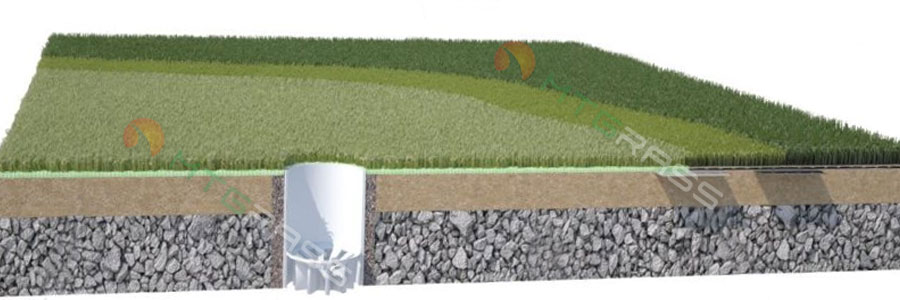
Why the Base Beneath Artificial Turf Matters?
When people consider installing artificial turf, the focus usually lands on the surface, how it looks, how it feels, and how low-maintenance it is. But there’s a critical component beneath the lush green fibers that often gets overlooked: the base layer. Without a properly constructed base, even the highest-quality turf will suffer from issues like poor drainage, unevenness, and reduced lifespan.
In this guide, we’ll dive deep into what goes under artificial turf, what base you should use, the different materials available (like crushed stone, sand base, and padding), and how to properly prepare your site. Whether you’re a sports and landscape contractor, property manager, or project owner, choose proper artificial turf base not only supports the grass but also provides critical drainage and prevents uneven surfaces. Understanding the foundation of artificial turf, or artificial grass, fake grass, or synthetic grass, will help you ensure quality results that last for years.
ป.ล.: If you’re planning an artificial turf installation, one of the most important questions is: what goes under artificial grass? The right base ensures drainage, stability, and long-lasting performance. At MightyGrass, we don’t just supply world-class synthetic grass, we help you build a system that performs. Need expert advice on the right sub-base for your site? Get in touch today and let’s lay the groundwork for success.
What Goes Under Artificial Turf? The Role of the Base Structure?
The base under artificial turf isn’t just dirt or sand. It’s a multi-layered system designed to provide:
- Structural stability
- Drainage capability
- Cushioning and shock absorption (when needed)
- Weed suppression
- Resistance to shifting or settling over time
So, what do you put under artificial turf? Skipping or improperly building the base layer is the number one cause of artificial turf failure. A well-constructed base mimics the qualities of natural soil but performs better under load and variable weather.
Types of Base Materials for Artificial Turf
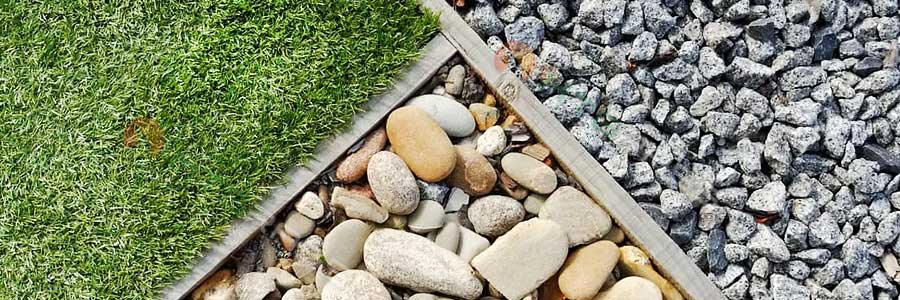
Crushed Stone or Gravel (Most Common)
Crushed stone or gravel also known as crushed rock for artificial grass, is the most widely used base material for artificial turf. Typically, angular stones around 3/4 inch in size are ideal because they lock together during compaction. This creates a strong, stable layer that supports weight and facilitates water drainage.
- Best for: สนามกีฬา, residential lawns, commercial spaces
- Recommended thickness: 3-6 inches depending on use
- เคล็ดลับจากมืออาชีพ: Always compact in layers, not all at once, to prevent settling
Decomposed Granite (DG)
Decomposed granite is a fine aggregate with a sandy texture. Considered one of the best sub base materials for artificial grass in dry climates. It compacts easily and offers a smooth surface finish, making it suitable for low-traffic areas or decorative lawns.
- Best for: Walkways, patios, residential garden areas
- คำเตือน: It retains water more than gravel, so it’s not ideal for areas needing fast drainage.
Fine Aggregates and Sand
Sand and fine aggregates are sand sub base for artificial grass, used as leveling layers on top of a more stable base like crushed stone. They help smooth the surface before the turf is laid and are often used in conjunction with infill materials.
- Best for: Leveling and final smoothing layer
- บันทึก: Not suitable as a primary base due to lack of structure
Paver Base / Road Base
This is a mix of crushed stone and fine particles, used widely in road construction. It offers great load-bearing capabilities and is compactable, making it suitable for high-traffic installations. Often chosen as one of the cheapest sub base options for artificial grass
Best for: Commercial applications, high-traffic areas, driveable turf installations
Padding Layer (Shock Pad)
Shock pads are used beneath turf in sports fields, playgrounds, or anywhere safety and cushioning are priorities. They provide shock absorption and additional comfort but must be installed over a stable base.
Optional but highly recommended for injury prevention, so artificial putting green base installation is essential.
Optional But Valuable Layers
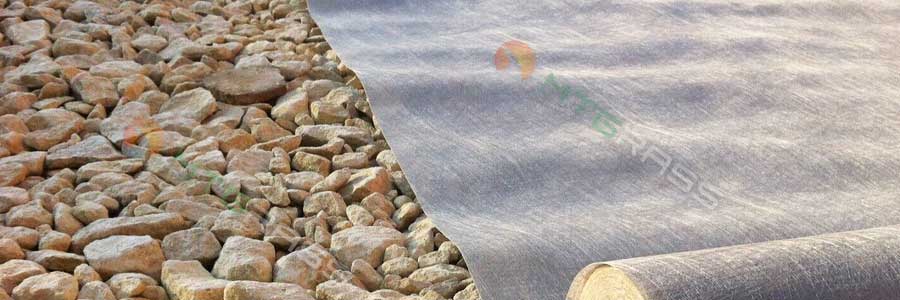
Weed Membrane (Geotextile Fabric)
Have you ever wondered What goes under synthetic grass to stop weeds? In fact, A geotextile weed barrier helps prevent weed growth without blocking drainage. It’s laid between the sub-base and the artificial turf.
- เคล็ดลับ: Overlap seams by at least 6 inches to ensure full coverage
Drainage Systems
Proper drainage under turf is critical for performance. In areas prone to heavy rain and poor natural drainage, additional drainage solutions such as French drains or drainage mats can be installed beneath the base.
Use when: The area is flat, has clay soil, or poor percolation rates
วัสดุเติมเต็ม
Infill is applied after turf installation, but it plays a key role in performance:
- Keeps turf fibers upright
- Adds weight to hold turf in place
- Improves shock absorption
Common infills include silica sand, crumb rubber, and organic materials.
How to Prepare The Ground for Laying Artificial Turf?
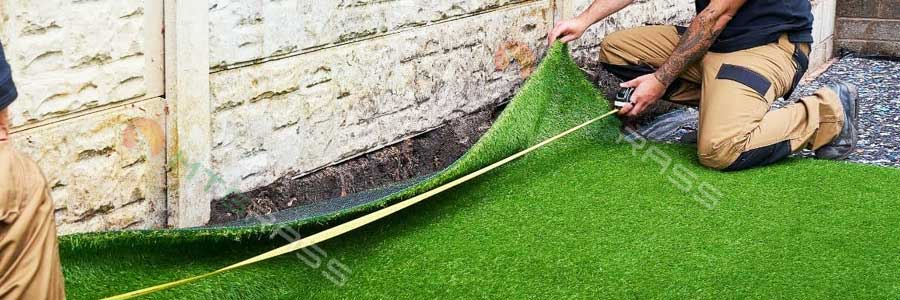
Before laying artificial turf, the most important step is not “how to lay it” but “how to lay it underneath”. A good foundation can make the lawn flatter, drain more smoothly, and last longer. The following is a commonly used method in actual construction, I hope it can help you.
Site Assessment and Planning
Evaluate soil type, drainage capability, and intended turf usage. For sports fields, you’ll need more robust sub-base materials and potentially a shock pad. For rooftops, drainage and lightweight materials are priorities.
Clearing and Excavation
Remove all vegetation, debris, roots, and 3-6 inches of topsoil. Use appropriate tools such as sod cutters or mini-excavators.
Sub-base Material Placement & Compaction
Layer in your chosen base material (gravel, road base, etc.), compacting every 2 inches with a plate compactor. Ensure slope (1-2%) for drainage.
Final Leveling Layer: Sand or Fines
Add a 1-inch layer of fine sand or stone dust to smooth the surface. Compact and check for levelness with a screed board.
Install Weed Barrier
Roll out geotextile fabric over the compacted base. Secure with landscape staples every 2-3 feet.
Moistening & Compacting Again
Lightly moisten the area before final compaction to reduce dust and improve material cohesion.
Install Edge Restraints
Add bender board, plastic edging, or concrete curbing to contain the base and turf. This helps prevent lateral movement over time.
Benefits of a Well-Constructed Base
- Longevity: Turf lasts longer on a stable foundation
- การระบายน้ำ: Prevents puddling and water damage
- รูปร่าง: Maintains a smooth, wrinkle-free surface
- ความปลอดภัย: Provides even footing and cushioning (when shock pads are used)
- การบำรุงรักษาต่ำ: Reduces need for repairs or adjustments over time
- Cost-effective: A good base prevents costly rework and ensures better return on investment
Start Your Artificial Turf Project with MTGRASS®
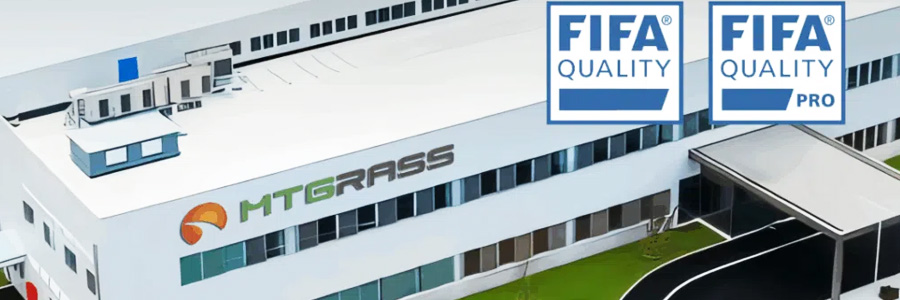
At MTGRASS, we understand the science and engineering behind artificial turf systems. As one of China’s leading ผู้ผลิตหญ้าเทียม and the ได้รับการรับรองจากฟีฟ่า synthetic grass suppliers. Contact us now and you will not only get high-quality synthetic turf, but also enjoy our guaranteed excellent performance and market-competitive prices.
Whether you’re building a sports complex, a public park, or a rooftop retreat, our team offers:
- Custom artificial turf base recommendations
- Full-system consultation
- Eco-friendly, high-durability artificial turf solutions
ติดต่อเราได้วันนี้ to get expert guidance on your next artificial turf project. Let’s build it right from the ground up.
Conclusion: The Foundation for a Perfect Artificial Lawn
Just like a building, your turf system is only as good as the foundation beneath it. Choosing the right material to follow for proper installation practices ensures long-term performance, visual appeal, and lower maintenance costs. Whether you’re designing a sports field, residential lawn, or rooftop garden, investing in a solid base is non-negotiable.
So, what do you put under artificial turf? The answer depends on usage, budget, and drainage needs—but no matter the project, choosing the right artificial lawn base is the key to long-term satisfaction.
FAQs About Artificial Turf Bases
What should I use under artificial turf for heavy foot traffic?
The best sub base for artificial grass in high-traffic areas is a combination of crushed stone (typically 3/4” angular gravel) compacted in multiple layers. This provides a strong, stable foundation that can handle constant foot traffic without shifting. For sports fields or commercial installations, adding a layer of decomposed granite or road base underneath the gravel enhances load-bearing strength.
Can you put artificial turf directly on concrete or pavers?
Yes, artificial turf can be installed on concrete or pavers, but proper preparation is essential. You should add a shock-absorbing pad or drainage layer to improve comfort and water flow. Without a buffer layer, turf on hard surfaces may feel too rigid and suffer from poor drainage, leading to water buildup or mold.
Is sand a good base for artificial turf?
Sand can be used as a leveling layer, but not as the primary sub base. It lacks structural integrity and may shift over time, causing uneven surfaces. For best results, sand should be placed over a compacted gravel base to smooth the surface before laying turf. Pure sand bases are typically discouraged for longevity and drainage reasons.
What is the cheapest sub base for artificial grass?
The most cost-effective sub base is compacted road base or recycled concrete aggregate. These materials offer decent compaction and drainage at a lower price than premium crushed rock. However, cheaper bases may require more maintenance over time. For budget-conscious projects, balancing cost with longevity is key.
Do I need a membrane under artificial grass?
Yes, installing a geotextile weed membrane is highly recommended. It prevents weed growth without restricting drainage. The membrane should be placed between the compacted sub-base and the turf. Skipping this step could lead to weeds pushing through the artificial turf and compromising aesthetics and functionality.
What is the best base for artificial putting greens?
For artificial putting greens, the ideal base includes a compacted crushed stone layer, topped with fine decomposed granite or silica sand to ensure a smooth, level surface. Many professionals also add a shock pad to control ball bounce and increase comfort. Proper drainage is also critical for consistent performance.
How do I ensure proper drainage under artificial turf?
Start by using a well-graded, compacted sub-base like crushed stone. Maintain a slope of at least 1-2% for water runoff. In flat areas or where heavy rain is common, you may also need to install a drain or a perforated pipe system. A permeable weed membrane and appropriate infill materials will further support drainage.
What base should I use on rooftops or hard surfaces?
Use lightweight shock pads over waterproof membranes. Drainage mats can be added for vertical water flow.
How deep should I dig for turf installation?
Typically 3 to 6 inches, depending on usage. More depth is needed for high-traffic or heavy-load areas.
What’s the best thing to put under artificial grass for DIY installs?
For small areas, a compacted gravel base plus sand leveling layer works well. Always add a weed barrier.
What aggregate is best for under artificial grass?
Crushed angular gravel or decomposed granite are top choices due to stability and drainage.
What is the best base for artificial grass in residential lawns?
Most installers recommend crushed stone as the best base for home lawns, due to its balance of cost and performance.
Can I use sand as a base under synthetic turf?
Sand can be used, but many experts warn that it may shift. For a long-lasting installation, crushed stone is preferred.
How deep should the sub-base be for sports fields vs home gardens?
Sports fields usually require a 6–8 inch sub-base, while residential lawns can work with 3–4 inches.
What is the best base for artificial grass on concrete rooftops?
A shock pad is recommended on rooftops to provide cushioning and proper drainage.
Can I use recycled materials as a sub-base for turf installation?
Yes, recycled concrete or asphalt can be used as an eco-friendly turf base if properly compacted.


